Featured

Table of Contents
In his 4 years as President, President Trump did not sign into law a single piece of legislation that lowered deficits, and only signed one expense that meaningfully reduced costs (by about 0.4 percent). On web, President Trump increased spending quite significantly by about 3 percent, leaving out one-time COVID relief.
Throughout President Trump's term in workplace, federal debt held by the public grew by $7.2 trillion from $14.4 to $21.6 trillion., President Trump's final budget plan proposition presented in February of 2020 would have enabled debt to rise in each of the subsequent 10 years, from $17.9 trillion at the end of FY 2020 to $23.9 trillion by the end of FY 2030.
Interest grows silently. Minimum payments feel workable. One day the balance feels stuck.
Credit cards charge some of the highest consumer interest rates. When balances remain, interest consumes a big portion of each payment.
The goal is not just to remove balances. The genuine win is building practices that prevent future financial obligation cycles. List every card: Current balance Interest rate Minimum payment Due date Put everything in one document.
Clearness is the structure of every reliable credit card debt benefit strategy. Time out non-essential credit card spending. Practical actions: Use debit or money for daily spending Eliminate stored cards from apps Delay impulse purchases This separates old financial obligation from present behavior.
Advantages of Professional Credit Counseling for 2026
A small emergency situation buffer avoids that setback. Go for: $500$1,000 starter savingsor One month of necessary expenditures Keep this money accessible however different from investing accounts. This cushion protects your benefit strategy when life gets unforeseeable. This is where your financial obligation method U.S.A. method becomes concentrated. Two tested systems control individual finance since they work.
As soon as that card is gone, you roll the released payment into the next tiniest balance. The avalanche method targets the greatest interest rate.
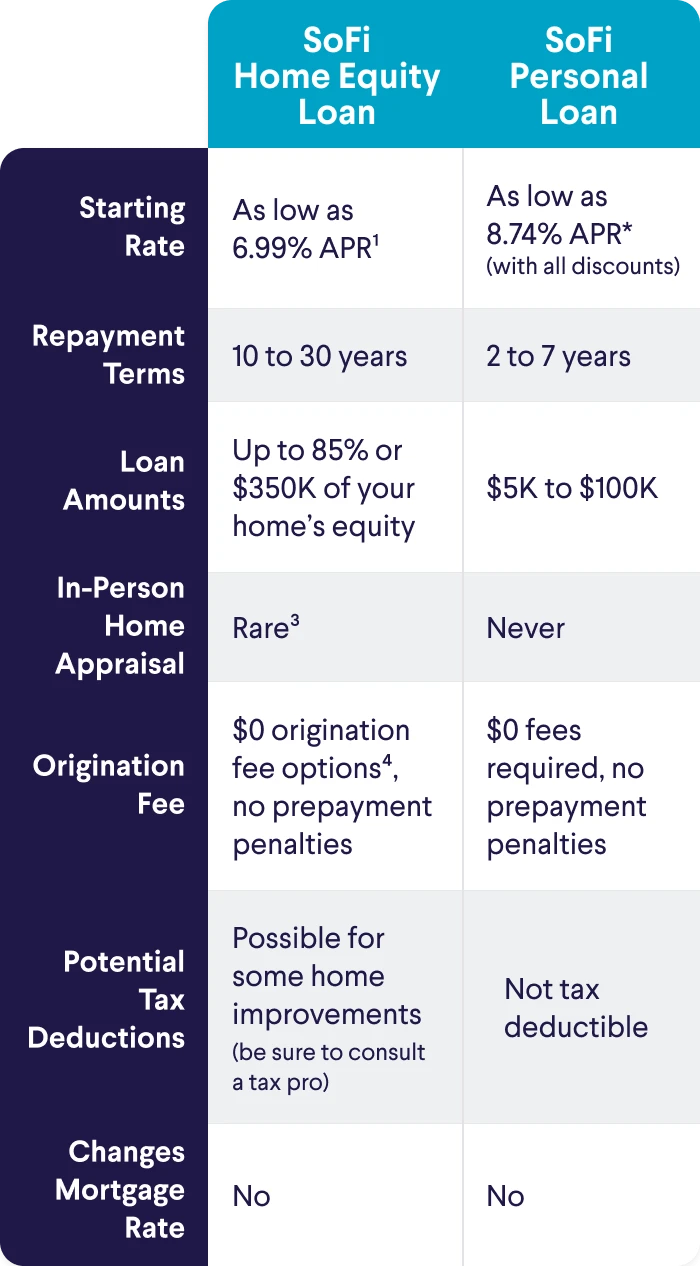
Money attacks the most expensive debt. Decreases total interest paid Speeds up long-term payoff Optimizes effectiveness This method interest people who focus on numbers and optimization. Both approaches succeed. The best option depends upon your personality. Pick snowball if you require emotional momentum. Pick avalanche if you want mathematical performance.
Missed payments produce fees and credit damage. Set automated payments for every card's minimum due. Manually send out additional payments to your concern balance.
Try to find practical changes: Cancel unused memberships Reduce impulse spending Cook more meals at home Offer products you don't utilize You don't need severe sacrifice. The objective is sustainable redirection. Even modest extra payments substance gradually. Expense cuts have limitations. Income growth expands possibilities. Consider: Freelance gigs Overtime shifts Skill-based side work Offering digital or physical products Treat extra income as financial obligation fuel.
Combine High Interest Credit Card Balances in 2026
Financial obligation benefit is psychological as much as mathematical. Update balances monthly. Paid off a card?
Everybody's timeline varies. Focus on your own development. Behavioral consistency drives successful credit card financial obligation payoff more than ideal budgeting. Interest slows momentum. Decreasing it speeds outcomes. Call your credit card issuer and ask about: Rate decreases Hardship programs Advertising offers Lots of lenders choose dealing with proactive customers. Lower interest implies more of each payment hits the primary balance.
Ask yourself: Did balances shrink? A versatile plan makes it through genuine life better than a rigid one. Move financial obligation to a low or 0% introduction interest card.
Integrate balances into one set payment. This streamlines management and might lower interest. Approval depends upon credit profile. Not-for-profit companies structure repayment plans with lending institutions. They provide accountability and education. Negotiates lowered balances. This carries credit consequences and charges. It suits extreme difficulty circumstances. A legal reset for frustrating financial obligation.
A strong debt technique USA homes can rely on blends structure, psychology, and flexibility. Debt payoff is seldom about extreme sacrifice.
Should You Refinance Variable Loans in 2026?
Settling charge card financial obligation in 2026 does not need perfection. It requires a smart plan and consistent action. Snowball or avalanche both work when you commit. Psychological momentum matters as much as math. Start with clarity. Develop defense. Choose your method. Track development. Stay patient. Each payment lowers pressure.
The most intelligent move is not waiting on the best minute. It's beginning now and continuing tomorrow.
Debt debt consolidation integrates high-interest credit card expenses into a single month-to-month payment at a minimized interest rate. Paying less interest conserves cash and allows you to pay off the debt much faster.Financial obligation consolidation is available with or without a loan. It is an effective, budget friendly method to handle credit card debt, either through a financial obligation management plan, a debt consolidation loan or financial obligation settlement program.

Latest Posts
Finding Low Interest Personal Loans in 2026
Comparing Modern Personal Loan Choices

Managing Unsecured Credit Plans in 2026